A well-designed home is more than an attractive building. It is a space that supports your lifestyle, provides comfort, and meets the changing needs of your family. Modern home design focuses on combining aesthetics with functionality, making every room feel purposeful and welcoming.
Whether you are planning a new house or renovating an existing property, the right design choices can make a significant difference.
1. Choose an Open and Functional Layout
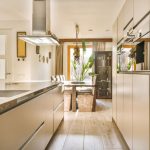
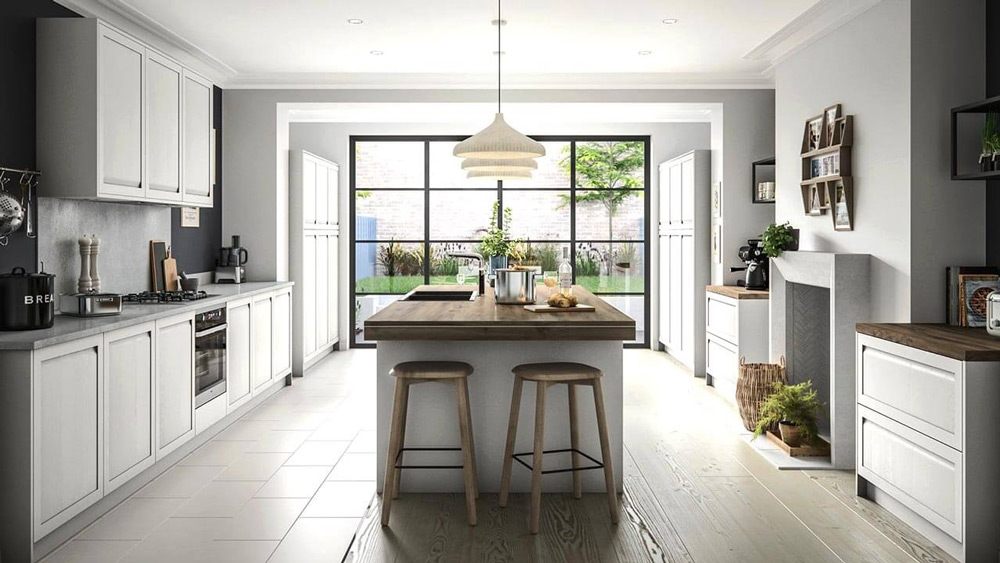
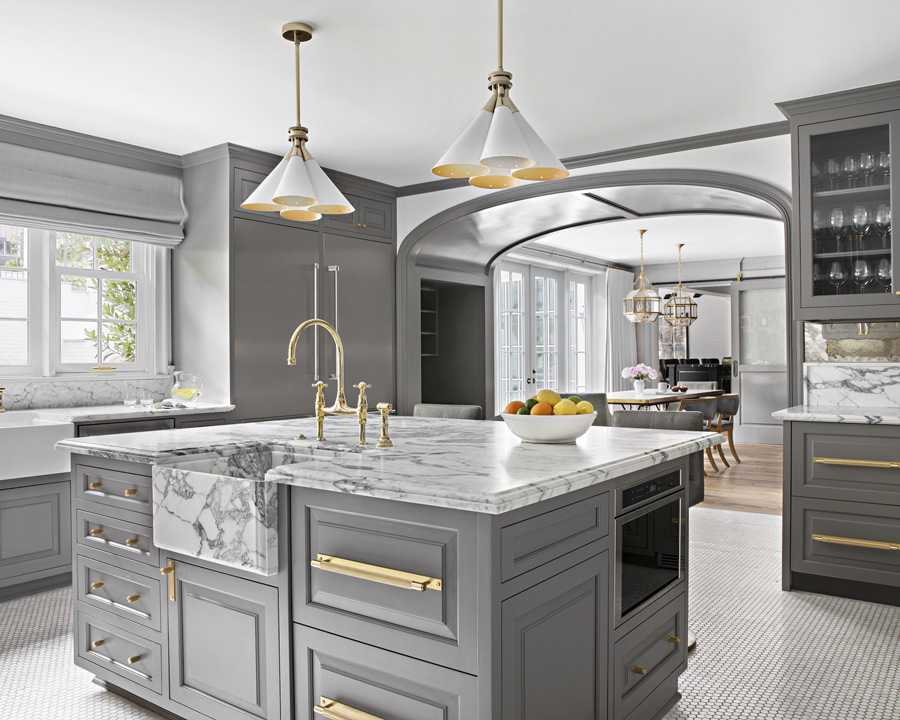
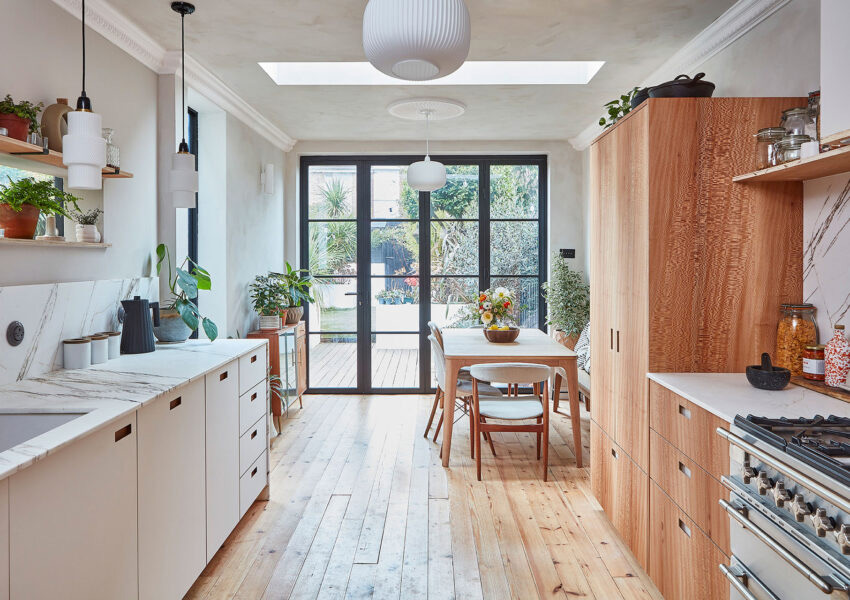
Open layouts can create a sense of space by connecting the living room, dining area, and kitchen. This arrangement encourages interaction and allows natural light to travel more freely throughout the home.
However, an open layout should be planned carefully. Furniture placement, lighting, and clear circulation paths help maintain distinct functional areas without unnecessary walls.
2. Maximize Natural Light
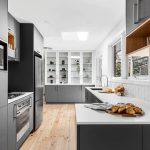
Natural light can make rooms feel brighter, more comfortable, and more inviting. Large windows, strategically positioned openings, and glass doors can improve daylight distribution.
During the planning stage, consider the building’s orientation, surrounding structures, privacy requirements, and local climate. Appropriate shading can help manage heat and glare.
3. Select a Timeless Color Palette
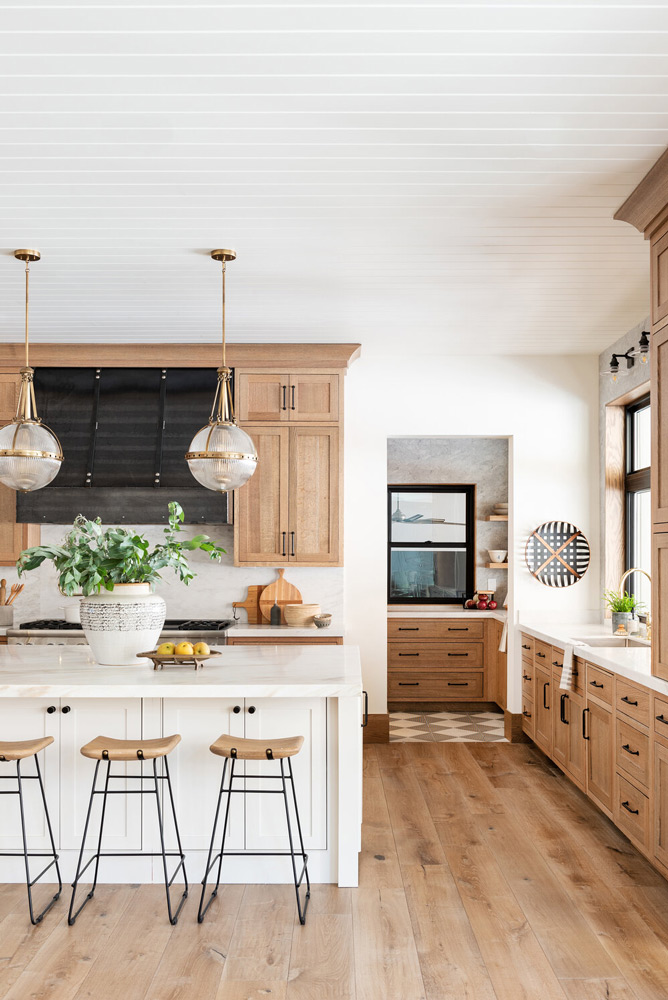
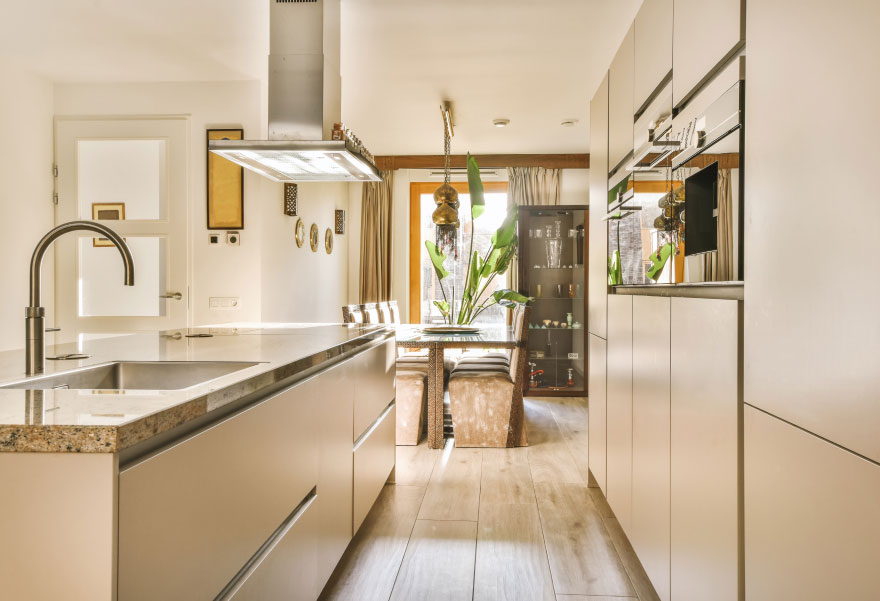
Neutral colors such as white, beige, grey, and warm earth tones work well in many contemporary homes. They create a calm foundation that can be updated with furniture, artwork, and decorative accents.
Choose finishes that complement each other rather than following every passing trend. This approach can help your interior remain visually appealing for years.
4. Make Storage Part of the Design
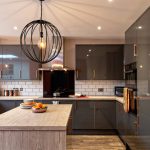
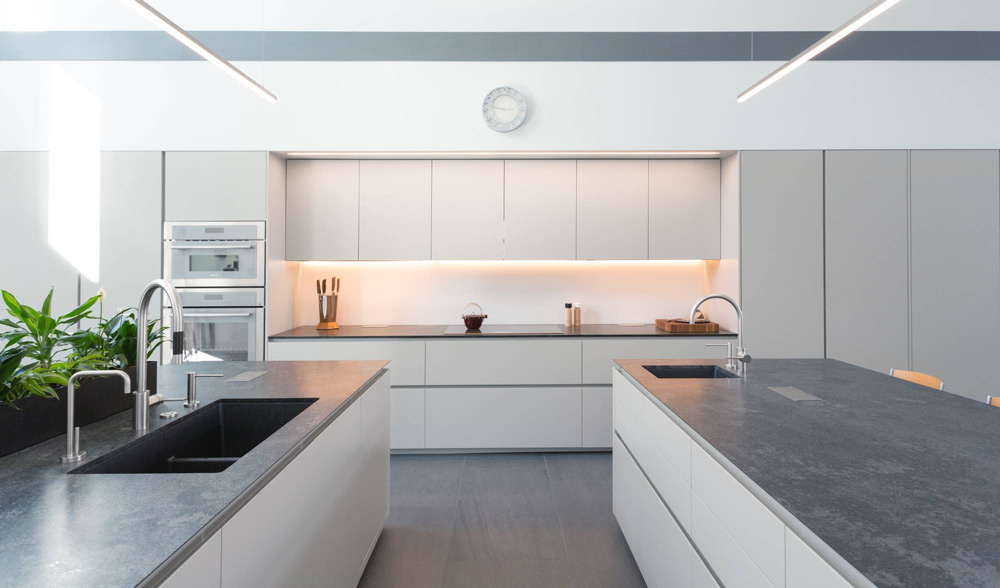
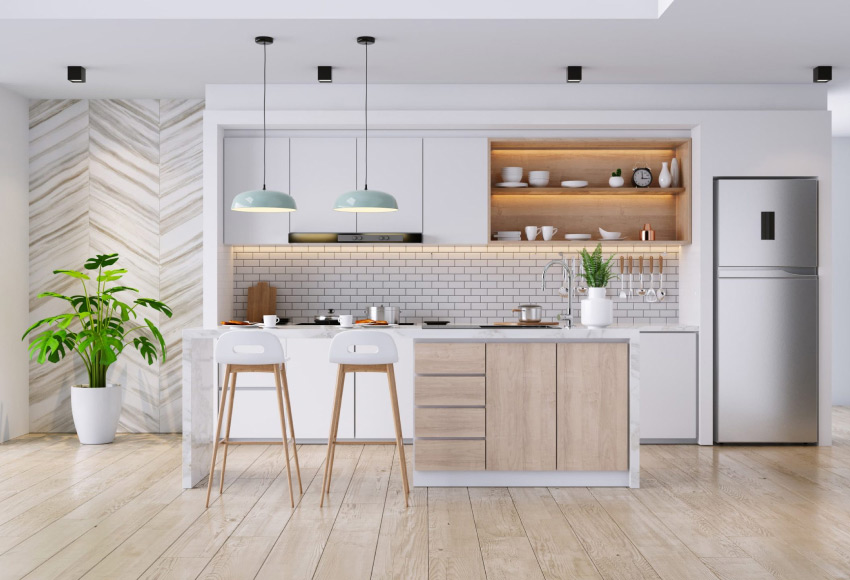
Clutter can reduce the comfort and functionality of a home. Built-in wardrobes, under-stair storage, kitchen cabinets, and multifunctional furniture help make better use of available space.
Storage should be planned according to your family’s habits and belongings rather than added as an afterthought.
5. Incorporate Outdoor Living Spaces
Balconies, patios, courtyards, and landscaped gardens can extend your usable living space. Even a small outdoor area can become a comfortable place to relax when designed with appropriate seating, lighting, and weather protection.
6. Prioritize Energy Efficiency
Energy-efficient lighting, suitable insulation, natural ventilation, and carefully selected windows can improve indoor comfort and help reduce energy consumption.
The best solutions depend on the local climate, building orientation, budget, and applicable building standards.
7. Work With Experienced Professionals
A successful home begins with proper planning. Architects, engineers, and construction professionals can help coordinate layouts, structural requirements, materials, and budgets before construction begins.
Professional planning can also identify potential problems early, reducing avoidable changes during construction.
Conclusion
Modern home design is about creating a balance between appearance, comfort, and practicality. By focusing on natural light, efficient layouts, smart storage, and durable materials, you can create a home that serves your family for years.
At Dynamic City Builders, we believe every successful project begins with a clear vision and thoughtful planning. Start by defining your priorities, setting a realistic budget, and developing a design that reflects your lifestyle.