Sustainable construction focuses on creating buildings that use resources responsibly, provide comfortable indoor environments, and remain practical throughout their lifespan. It considers not only how a building looks but also how it performs during everyday use.
For homeowners and commercial property developers, sustainability can be incorporated into projects from the earliest planning stages. Many improvements involve thoughtful design decisions rather than expensive technology.
1. Design for Natural Light
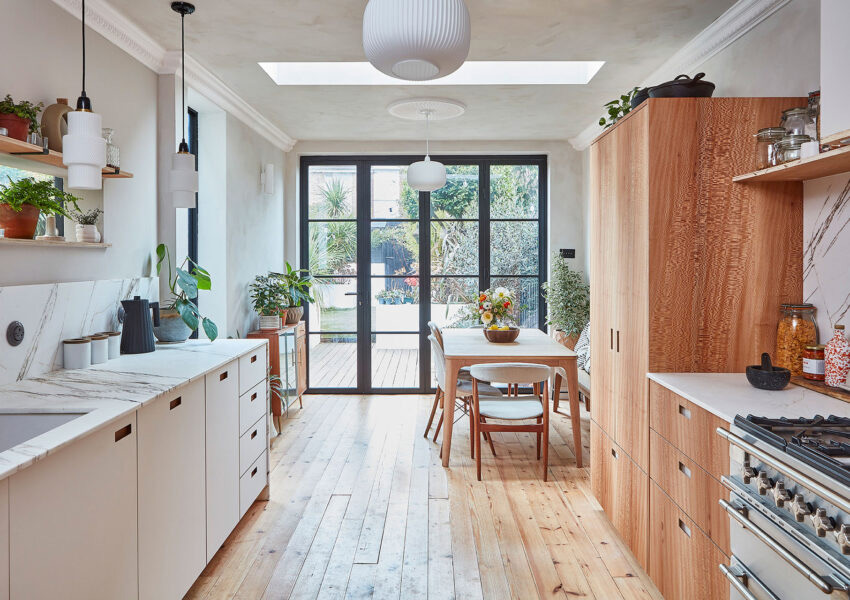
Natural daylight can reduce the need for artificial lighting during the day. Window placement, room orientation, skylights, and interior layouts all influence how effectively daylight reaches different areas.
However, more glass is not always better. Poorly positioned windows may increase heat gain, glare, or cooling requirements. Designers should balance daylight with shading, privacy, and thermal performance.
2. Improve Natural Ventilation
Good ventilation helps maintain indoor air quality and comfort. Depending on the climate and site conditions, appropriately positioned windows and ventilation openings can encourage airflow through a building.
Cross-ventilation may be possible when openings are located on different sides of a room or building. The design should also consider outdoor air quality, noise, humidity, security, and local weather patterns.
In locations with hot and humid conditions, natural ventilation should be coordinated with appropriate cooling and moisture-control strategies.
3. Select Durable and Responsible Materials
Material choices affect construction waste, maintenance needs, and the building’s long-term environmental impact.
Whenever suitable, consider locally available materials, durable finishes, responsibly sourced products, and materials with relevant environmental documentation.
The cheapest material is not always the most economical over time. Durability, installation requirements, repair costs, and expected service life should all be considered when comparing options.
4. Use Energy-Efficient Lighting and Equipment
LED lighting can provide efficient illumination while reducing electricity consumption compared with many older lighting technologies.
Energy-efficient fans, air-conditioning systems, pumps, and appliances can also improve building performance. Select equipment appropriate for the property’s size and intended use.
Lighting controls, occupancy sensors, and separate switches for different areas can further reduce unnecessary energy use.
5. Plan for Water Conservation
Water-efficient fixtures, properly designed plumbing, leak prevention, and rainwater collection where appropriate can support responsible water management.
Landscape design also matters. Suitable plants and efficient irrigation methods can reduce unnecessary water use.
Any rainwater harvesting or reuse system should be designed for its intended purpose and comply with applicable public health and building requirements.
6. Reduce Construction Waste
Careful measurement, accurate material estimates, and coordinated construction drawings help reduce unnecessary waste.
Materials should be stored correctly to prevent damage, and reusable materials should be separated from general waste where practical. Recycling options depend on local facilities and regulations.
Good site management can also improve safety and keep the construction process organized.
Why Sustainable Planning Matters
Sustainable construction works best when decisions are made early. Building orientation, shading, insulation, ventilation, and material selection can influence performance for many years.
A qualified design and construction team can evaluate the options available for your site, climate, budget, and project requirements.
Conclusion
Building sustainably does not require every available green technology. It starts with practical decisions that improve efficiency, durability, comfort, and resource use.
At Dynamic City Builders, sustainable thinking can be part of the conversation from the initial planning stage. By prioritizing suitable materials, efficient systems, and thoughtful design, property owners can work toward buildings that serve people and resources more responsibly.