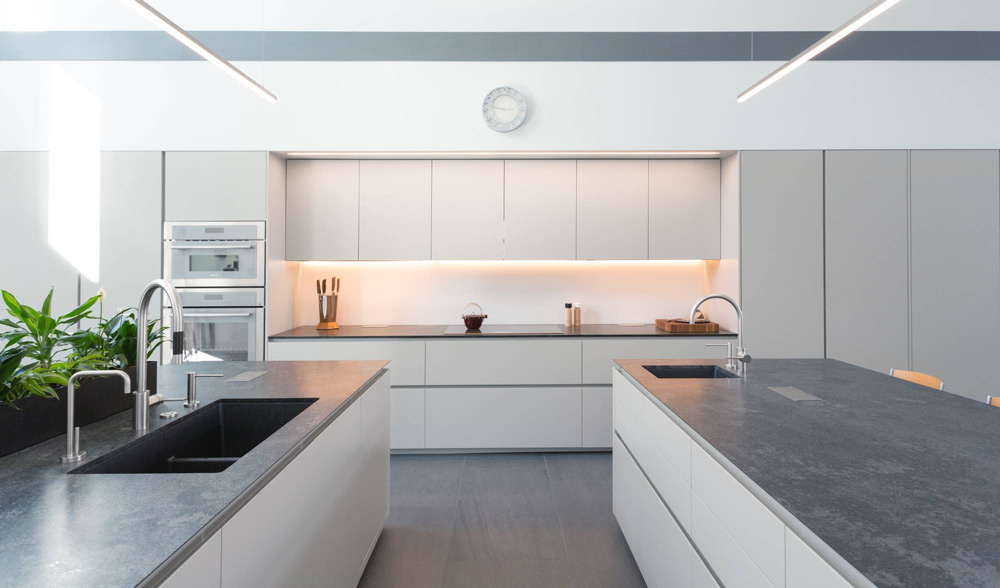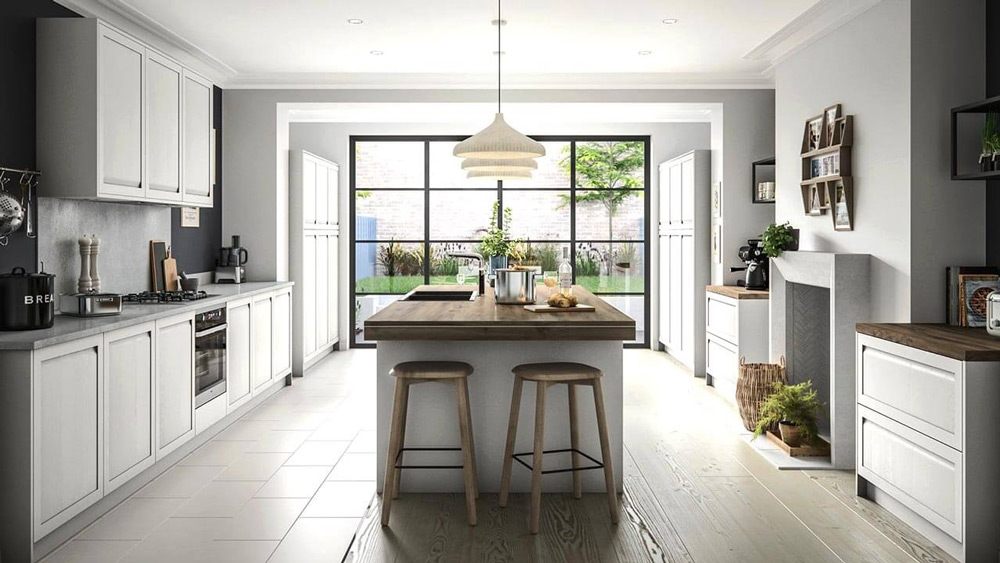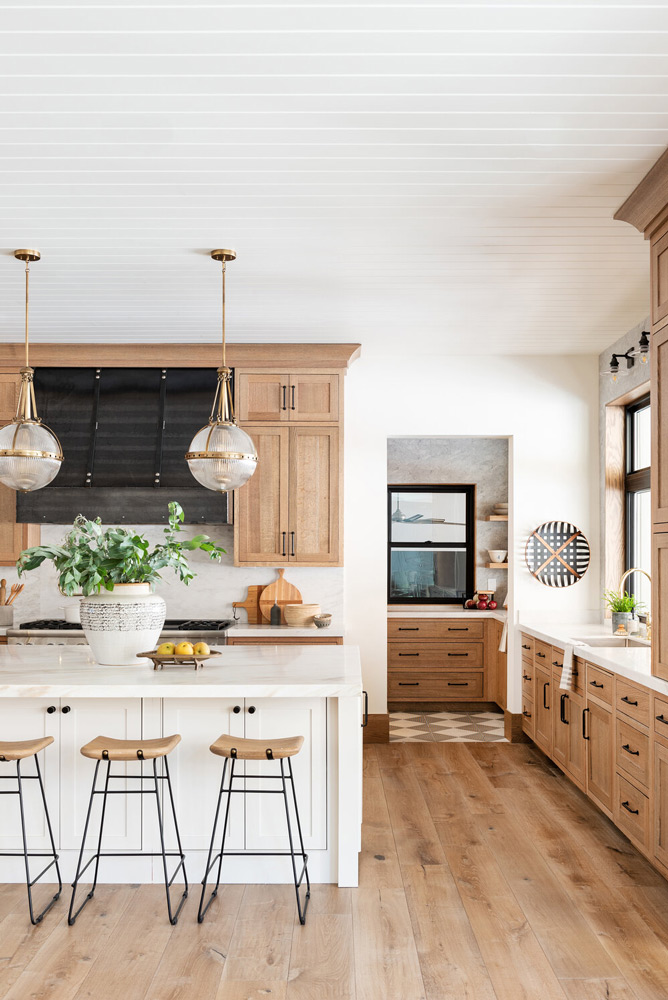
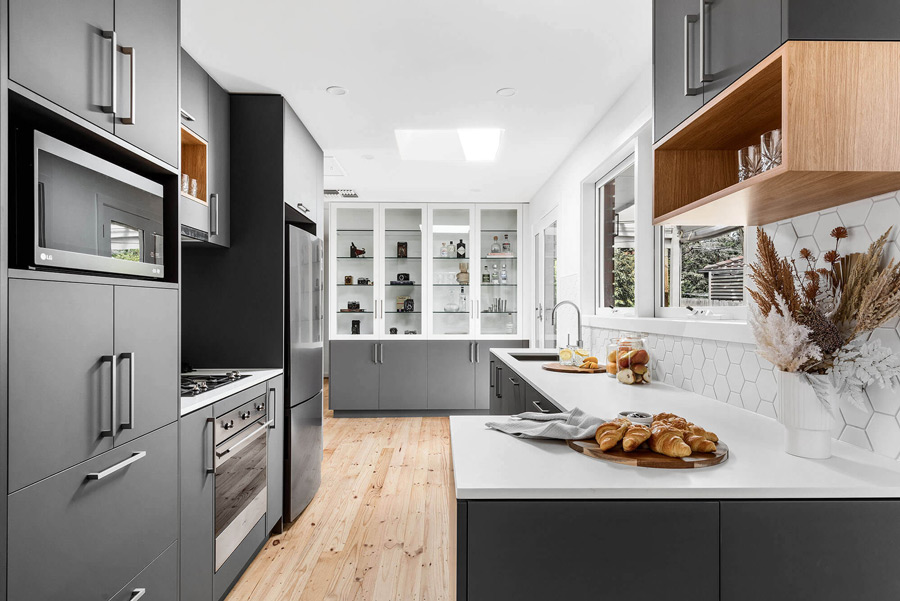
Renovating a home can improve comfort, functionality, and appearance without requiring a completely new building. Whether you are updating a kitchen, improving a bathroom, adding storage, or renovating several rooms, the process becomes easier to manage when you plan carefully.
Before hiring contractors or purchasing materials, take time to understand the existing property and define what you want to achieve.
1. Identify Your Priorities
Start by listing the problems you want to solve. Your priorities might include outdated finishes, insufficient storage, poor lighting, damaged flooring, or inefficient room layouts.
Separate essential repairs from optional upgrades. Addressing water leaks, structural concerns, or electrical problems should generally take priority over purely decorative changes.
A clear list of objectives helps prevent unnecessary work and keeps the project focused.
2. Inspect the Existing Property
Before preparing a detailed renovation plan, assess the property’s current condition.
Look for signs of dampness, roof leaks, cracks, damaged plumbing, electrical issues, and deteriorating finishes. Some problems are hidden behind walls, ceilings, or floor coverings and may only become visible after work begins.
Consult qualified professionals when structural, electrical, plumbing, or other technical issues require specialist assessment.
Do not assume that a cosmetic repair will solve an underlying problem.
3. Set a Practical Budget
Create a budget that accounts for labor, materials, transportation, installation, waste removal, professional fees, and any required approvals.
Include a contingency for unforeseen conditions, particularly in older properties where hidden defects may be discovered during demolition.
Compare quotations based on the actual scope of work rather than the total price alone. Confirm the materials, specifications, exclusions, and payment terms before making a decision.
4. Plan the Design Before Construction
Finalize the major design decisions before work begins whenever possible. These may include room layouts, lighting positions, electrical outlets, plumbing fixtures, flooring, paint colors, and cabinetry.
Changing decisions midway through a renovation can lead to additional costs, material waste, and scheduling problems.
Detailed drawings or written specifications can help homeowners and contractors agree on the expected result.
5. Choose Suitable Materials
Select materials according to their intended use, durability, maintenance requirements, and appearance.
Bathrooms and kitchens require materials appropriate for moisture exposure. High-traffic areas may benefit from durable flooring, while exterior finishes should be suitable for local weather conditions.
Consider long-term maintenance as well as initial purchase price.
6. Prepare for Construction Disruption
Renovation work can create dust, noise, temporary service interruptions, and restricted access to rooms.
Discuss the schedule with your contractor and determine whether the household can remain in the property safely during the work. Establish clear arrangements for protecting furniture, controlling dust, managing waste, and securing the site.
For larger renovations, completing the work in planned phases may help maintain access to essential areas.
7. Monitor Progress and Inspect the Finished Work
Maintain regular communication with the contractor and review progress against the agreed scope and schedule.
Document approved changes and confirm any additional costs before the work proceeds. At completion, inspect the finishes, fixtures, doors, windows, plumbing, electrical installations, and other relevant items.
Prepare a list of outstanding corrections and obtain relevant warranties, manuals, receipts, and completion documents.
Conclusion
A successful home renovation depends on more than attractive finishes. Careful inspection, realistic budgeting, clear design decisions, suitable materials, and regular communication all contribute to a better-managed project.
Dynamic City Builders can use this planning approach as the foundation for discussing renovation requirements with prospective clients. Start with a clear list of priorities, seek professional advice where necessary, and build a realistic plan before beginning work.